📍 Raiffeisenstraße 9–10, Tor 5–10 · 40764 Langenfeld✉️ sales@bewehrungsstahl-deutschland.de🏛️ Bewehrungsstahl Deutschland GmbH · HRB 52903 (AG Düsseldorf) · USt-IdNr. DE 213125965🚚 Betonstahl & Baustahlmatten nach Maß · DIN 488 · bundesweite Lieferung

Kategorie: Ratgeber

Ratgeber, Anleitungen und Wissenswertes rund um Bewehrungsstahl, Betonstahl und Baustahlmatten.

  • Betonstahl DIN 488 – Normen, Gueten und Eigenschaften

    Betonstahl DIN 488 – Normen, Gueten und Eigenschaften

    Betonstahl DIN 488 – Bewehrungsstahl Deutschland

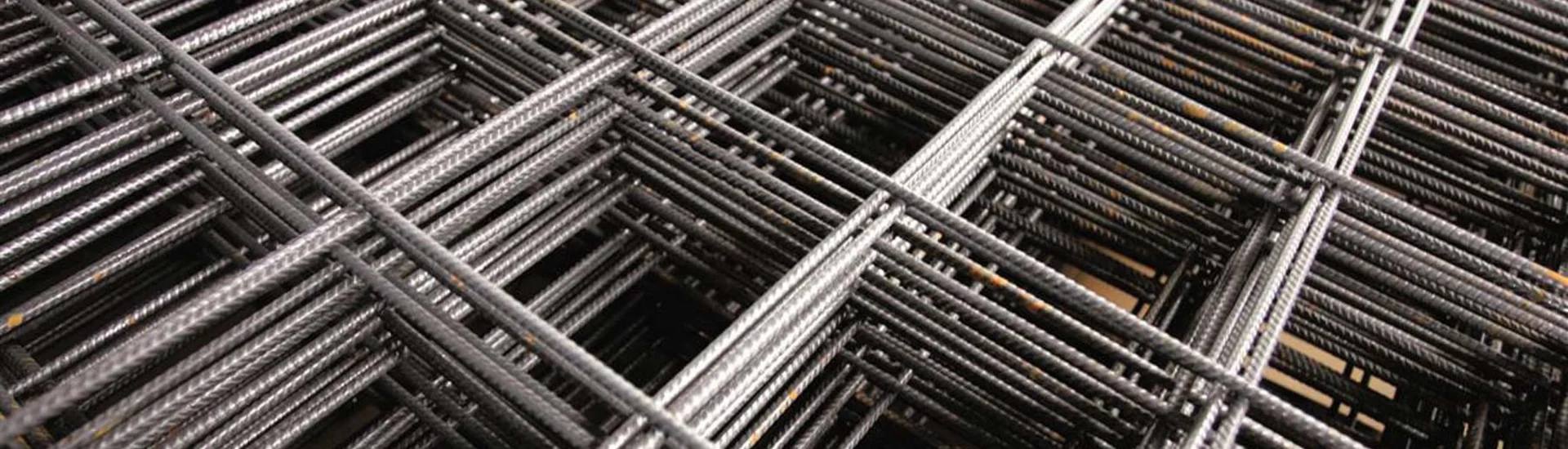
    Betonstahl ist im modernen Stahlbetonbau ein zentrales Element. Damit Tragfaehigkeit, Dauerhaftigkeit und Wirtschaftlichkeit stimmen, muessen Norm, Guete, Masse und Verarbeitung zusammenpassen. Dieser ausfuehrliche Ratgeber erklaert alle wichtigen Grundlagen rund um Betonstahl – von der DIN 488 ueber die richtige Auswahl bis zur fachgerechten Verlegung auf der Baustelle. So treffen Planer, Verarbeiter und Einkaeufer fundierte Entscheidungen und vermeiden teure Fehler.

    Was ist Betonstahl und wofuer wird es verwendet?

    Betonstahl gehoert zur Familie des Betonstahls und uebertraegt im Verbundquerschnitt die Zugkraefte, die der Beton allein nicht aufnehmen kann. Beton ist druckfest, aber zugschwach – erst die Bewehrung macht daraus einen leistungsfaehigen Verbundwerkstoff. Betonstahl wird nach statischer Bemessung eingebaut und sorgt dafuer, dass Bauteile wie Bodenplatten, Fundamente, Stuetzen, Waende und Decken die planmaessigen Lasten sicher abtragen.

    Die Wirkung beruht auf dem kraftschluessigen Verbund zwischen Stahl und Beton. Die Rippung der Oberflaeche verzahnt sich mit dem umgebenden Beton und uebertraegt die Kraefte ueber Reibung und Formschluss. Nur wenn Betondeckung, Stababstand und Verankerung stimmen, entfaltet Betonstahl seine volle Tragwirkung.

    Normen und Regelwerke: DIN 488, Eurocode 2 und mehr

    Massgeblich fuer Betonstahl in Deutschland ist die DIN 488, europaeisch ergaenzt durch die DIN EN 10080. Die statische Bemessung erfolgt nach dem Eurocode 2 (DIN EN 1992). Fuer das Biegen von Bewehrung gilt die DIN EN ISO 3766, die Biegeformen und Mindestbiegerollendurchmesser festlegt. Diese Regelwerke definieren Gueteklassen, zulaessige Toleranzen, Rippengeometrie und Pruefverfahren.

    Die Einhaltung der Normen ist nicht optional, sondern Voraussetzung fuer die Standsicherheit und die bauaufsichtliche Verwendbarkeit. Werkszeugnisse und CE-Kennzeichnung dokumentieren die Konformitaet. Wer Betonstahl bezieht, sollte auf lueckenlose Rueckverfolgbarkeit von der Charge bis zum Bauteil achten.

    Gueten B500A und B500B: mechanische Eigenschaften

    Die gaengige Guete ist B500B (hochduktil), teils B500A (normalduktil). Die Kennzahl 500 steht fuer die charakteristische Streckgrenze von 500 N/mm2. B500B bietet ein hoeheres Verhaeltnis von Zugfestigkeit zu Streckgrenze sowie eine groessere Bruchdehnung. Das ist entscheidend fuer rissbreitenbegrenzte, erdbebensichere und hochbeanspruchte Bauteile, bei denen Duktilitaet gefordert ist.

    Neben der Streckgrenze zaehlen Zugfestigkeit, Dehnung unter Hoechstlast und die Dauerschwingfestigkeit. Die mechanischen Kennwerte werden im Zugversuch geprueft und im Werkszeugnis dokumentiert. Fuer die meisten tragenden Bauteile ist B500B der Standard; die genaue Wahl gibt stets die Statik vor.

    Durchmesser, Masse und Gewicht – mit Tabelle

    Fuer Kalkulation und Bestellung ist das Metergewicht entscheidend. Es ergibt sich aus dem Nenndurchmesser bei einer Stahldichte von rund 7.850 kg/m3. Die folgende Tabelle zeigt Richtwerte fuer gaengige Stabdurchmesser:

    DurchmesserGewicht
    Ø 8 mm0,395 kg/m
    Ø 10 mm0,617 kg/m
    Ø 12 mm0,888 kg/m
    Ø 14 mm1,208 kg/m
    Ø 16 mm1,578 kg/m
    Ø 20 mm2,466 kg/m
    Ø 25 mm3,854 kg/m
    Ø 28 mm4,834 kg/m
    Ø 32 mm6,313 kg/m

    Den Bedarf ermitteln Sie, indem Sie das Metergewicht mit der Gesamtlaenge je Position multiplizieren und alle Positionen summieren. Bei Matten gilt das jeweilige Flaechengewicht des Mattentyps. So erhalten Sie die zu bestellende Tonnage fuer Betonstahl zuverlaessig.

    Herstellung und Werkstoff

    Betonstahl wird heute ueberwiegend im Elektrolichtbogenofen aus recyceltem Stahlschrott erschmolzen. Diese Elektrostahl-Route hat einen deutlich geringeren CO2-Fussabdruck als die klassische Hochofenroute. Nach dem Warmwalzen entsteht die charakteristische Rippung, die den Verbund mit dem Beton sichert. Anschliessend wird der Stahl geprueft, konfektioniert und je nach Bedarf geschnitten, gebogen oder zu Matten verschweisst.

    Die Werkstoffeigenschaften werden ueber die chemische Zusammensetzung und den Walzprozess eingestellt. Moderne Betonstaehle vereinen hohe Festigkeit mit guter Schweiss- und Biegbarkeit – Voraussetzung fuer eine wirtschaftliche Verarbeitung auf der Baustelle und im Biegebetrieb.

    Einsatzbereiche und typische Anwendungen

    Betonstahl kommt ueberall dort zum Einsatz, wo Beton auf Zug beansprucht wird. Typische Anwendungen sind Bodenplatten, Streifen- und Einzelfundamente, Stuetzen, Waende, Decken, Unterzuege, Industrieboeden, Tiefgaragen, Kelleraussenwaende sowie Ingenieurbauwerke wie Bruecken und Klaeranlagen. Je nach Bauteil variieren Durchmesser, Stababstand und Bewehrungsgrad.

    Die Wahl des passenden Produkts richtet sich nach Beanspruchung, Geometrie und Umgebungsbedingungen. Fuer flaechige Bauteile sind Matten wirtschaftlich, fuer punktuelle Verstaerkungen Stabstahl, fuer runde Querschnitte vorgefertigte Koerbe. So laesst sich fuer jedes Projekt die effizienteste Loesung mit Betonstahl finden.

    Korrosionsschutz: verzinkt und Edelstahl

    Im intakten, ausreichend deckenden Beton ist Betonstahl durch die alkalische Umgebung passiv geschuetzt. Dringen jedoch Chloride ein oder karbonatisiert der Beton, kann Korrosion einsetzen. Fuer erhoehte Anforderungen gibt es feuerverzinkten Bewehrungsstahl mit robustem Zinkueberzug sowie nichtrostende Edelstahl-Bewehrung (z. B. 1.4571, 1.4404) fuer Parkdecks, Bruecken und Kuestenbauwerke.

    Die Wahl des Korrosionsschutzes richtet sich nach Expositionsklasse, geforderter Lebensdauer und Wirtschaftlichkeit. Ueber den Lebenszyklus betrachtet ist hochwertiger Korrosionsschutz oft guenstiger, weil Instandsetzungen entfallen.

    Qualitaetssicherung, Pruefung und Zertifikate

    Qualitaet beginnt beim Werkstoff und endet bei der Dokumentation. Geprueft werden mechanische Kennwerte, Rippengeometrie und Masshaltigkeit. Werkszeugnisse nach EN 10204 (z. B. 3.1) belegen Guete und Charge, die CE-Kennzeichnung bzw. das Ue-Zeichen die Konformitaet mit den Normen. So bleibt Betonstahl von der Herstellung bis zum Einbau rueckverfolgbar.

    Auf der Baustelle sichern Bewehrungsabnahme und Sichtkontrolle die planungsgemaesse Ausfuehrung. Diese Kette aus Werksdokumentation und baustellenseitiger Kontrolle ist die Grundlage fuer ein sicheres, dauerhaftes Bauwerk.

    Betondeckung und Expositionsklassen

    Die Betondeckung ist der Abstand zwischen Bewehrung und Betonoberflaeche. Sie schuetzt den Stahl vor Korrosion und sichert den Verbund sowie den Brandschutz. Ihr Mindestmass richtet sich nach der Expositionsklasse (z. B. XC, XD, XS) und wird ueber Abstandhalter zuverlaessig eingehalten. Zu geringe Deckung ist eine der haeufigsten Schadensursachen im Stahlbetonbau.

    In chloridbelasteten oder dauerfeuchten Umgebungen steigen die Anforderungen. Hier kommen groessere Deckungen, verzinkte oder nichtrostende Bewehrung in Betracht. Die richtige Kombination aus Betonguete, Deckung und Werkstoff entscheidet ueber die Dauerhaftigkeit des Bauwerks.

    Bewehrungsfuehrung und Verlegung

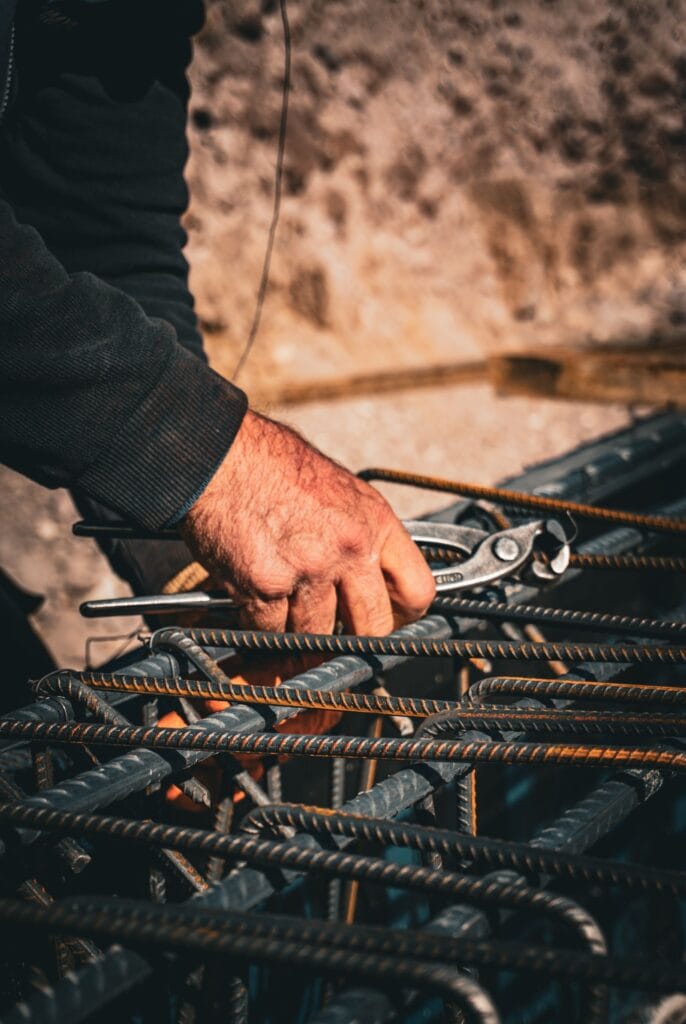
    Betonstahl wird nach Bewehrungsplan lagegenau verlegt, sauber und rostfrei. Die geforderte Betondeckung wird ueber Abstandhalter gesichert, mehrlagige Bewehrung ueber Unterstuetzungskoerbe auf Abstand gehalten. An den Kreuzungspunkten fixiert Bindedraht die Staebe gegen Verschieben, damit die Lage auch beim Betonieren stabil bleibt.

    Vor dem Betonieren erfolgt die Bewehrungsabnahme: Kontrolliert werden Durchmesser, Abstaende, Deckung, Stoesse und Verankerungen. Sorgfalt in dieser Phase zahlt sich aus – nachtraegliche Korrekturen am erhaerteten Beton sind aufwaendig und teuer.

    Stoesse, Uebergreifung und Verankerung

    Bewehrungsstaebe werden mit ausreichender Uebergreifungslaenge gestossen, damit die Kraft von Stab zu Stab uebertragen wird. Die erforderliche Laenge haengt von Durchmesser, Guete, Betonfestigkeit und Beanspruchung ab und wird nach Eurocode 2 bestimmt. Zu kurze Stoesse schwaechen das Bauteil und sind ein haeufiger, sicherheitsrelevanter Fehler.

    Neben Uebergreifungsstoessen kommen Muffenverbindungen und Verankerungen mit Haken oder Winkelhaken zum Einsatz. Die Verankerungslaenge stellt sicher, dass der Stab seine Kraft in den Beton einleiten kann, bevor er endet. Sauber geplante Stoesse und Verankerungen sind die Basis eines tragfaehigen Bewehrungssystems.

    Biegen, Biegeformen und Biegeliste

    Viele Bauteile erfordern gebogene Bewehrung: Buegel, Steckbuegel, Aufbiegungen, Haken und Sonderformen. Gebogen wird nach Biegeliste und den Biegeformen der DIN EN ISO 3766. Der Mindestbiegerollendurchmesser haengt vom Stabdurchmesser ab und verhindert Anrisse im Stahl. Werkseitig nach Biegeliste gefertigte Ware spart Zeit, Verschnitt und Lohnkosten gegenueber der Bearbeitung vor Ort.

    Senden Sie uns Ihre Biegeliste oder Bewehrungszeichnung, erhalten Sie Betonstahl massgenau geschnitten und gebogen, nach Positionsnummern gebuendelt und beschriftet – baustellenfertig zur direkten Verlegung.

    Nachhaltigkeit, CO2 und Recycling

    Stahl ist ein Kreislaufwerkstoff: Betonstahl besteht zu einem hohen Anteil aus recyceltem Schrott und ist am Ende der Nutzung nahezu vollstaendig wiederverwertbar. CO2-reduzierter Betonstahl aus der Elektrostahl-Route erfuellt vollstaendig die DIN 488 bei deutlich geringerem Fussabdruck. Fuer Projekte mit DGNB- oder LEED-Zertifizierung laesst sich dies ueber Umwelt-Produktdeklarationen (EPD) nachweisen.

    Nachhaltiges Bauen bedeutet auch, Verschnitt zu vermeiden: passgenaue Zuschnitte, Listenmatten nach Zeichnung und vorgefertigte Elemente reduzieren Abfall und Transporte. So verbinden sich Wirtschaftlichkeit und Oekologie.

    Haeufige Fehler und Praxistipps

    Typische Fehler bei Betonstahl sind zu geringe Betondeckung, zu kurze Uebergreifungen, verschmutzte oder korrodierte Staebe, falsche Biegerollendurchmesser und eine unzureichende Lagesicherung. Jeder dieser Punkte kann die Tragfaehigkeit oder Dauerhaftigkeit beeintraechtigen. Mit einer sorgfaeltigen Bewehrungsabnahme lassen sich die meisten Maengel vor dem Betonieren erkennen und beheben.

    Praxistipp: Arbeiten Sie mit vorkonfektionierter Ware nach Biegeliste, halten Sie Abstandhalter konsequent ein und dokumentieren Sie die Abnahme. Das spart Zeit, reduziert Fehler und sichert die Qualitaet nachhaltig.

    Betonstahl bei Bewehrungsstahl Deutschland bestellen

    Wir liefern Betonstahl normgerecht nach DIN 488 – als Stabstahl, Matten oder gebogene Formteile, projektbezogen zugeschnitten und bundesweit. Ob Meterware, Listenmatten nach Zeichnung oder komplette Bewehrungskoerbe: Senden Sie uns Ihre Spezifikation oder Biegeliste, und Sie erhalten werktags schnell ein verbindliches Angebot. Weitere Produkte finden Sie in unserer Uebersicht, alle Kontaktwege auf der Kontaktseite.

    Jetzt Angebot fuer Betonstahl anfordern →

    Haeufige Fragen zu Betonstahl

    Welche Norm gilt fuer Betonstahl?

    In Deutschland gilt die DIN 488 fuer Betonstahl, die Bemessung erfolgt nach Eurocode 2 (DIN EN 1992). Uebliche Guete ist B500B.

    Was bedeutet die Guete B500B?

    Betonstahl mit 500 N/mm2 charakteristischer Streckgrenze und hoher Duktilitaet – der Standard fuer tragende Bauteile.

    Wie berechne ich das Gewicht?

    Metergewicht (aus dem Durchmesser) mal Gesamtlaenge je Position, dann alle Positionen summieren. Bei Matten gilt das Flaechengewicht.

    Wie gross muss die Uebergreifung sein?

    Sie haengt von Durchmesser, Guete, Betonfestigkeit und Beanspruchung ab und wird nach Eurocode 2 bestimmt.

    Wie wird die Betondeckung sichergestellt?

    Ueber Abstandhalter, deren Mass sich nach der Expositionsklasse richtet. Sie schuetzt den Stahl dauerhaft vor Korrosion.

    Liefern Sie Betonstahl bundesweit?

    Ja, wir liefern bundesweit und projektbezogen, auf Wunsch geschnitten und gebogen nach Biegeliste, baustellenfertig sortiert.

    Kann ich Betonstahl geschnitten und gebogen bestellen?

    Ja, senden Sie uns Ihre Biegeliste oder Zeichnung – wir fertigen massgenau nach DIN EN ISO 3766.

    Wie schnell erhalte ich ein Angebot?

    In der Regel werktags kurzfristig, sobald Stahlsorte, Menge und Lieferort vorliegen.

    {„@context“:“https://schema.org“,“@type“:“FAQPage“,“mainEntity“:[{„@type“:“Question“,“name“:“Welche Norm gilt fuer Betonstahl?“,“acceptedAnswer“:{„@type“:“Answer“,“text“:“In Deutschland gilt die DIN 488 fuer Betonstahl, die Bemessung erfolgt nach Eurocode 2 (DIN EN 1992). Uebliche Guete ist B500B.“}},{„@type“:“Question“,“name“:“Was bedeutet die Guete B500B?“,“acceptedAnswer“:{„@type“:“Answer“,“text“:“Betonstahl mit 500 N/mm2 charakteristischer Streckgrenze und hoher Duktilitaet – der Standard fuer tragende Bauteile.“}},{„@type“:“Question“,“name“:“Wie berechne ich das Gewicht?“,“acceptedAnswer“:{„@type“:“Answer“,“text“:“Metergewicht (aus dem Durchmesser) mal Gesamtlaenge je Position, dann alle Positionen summieren. Bei Matten gilt das Flaechengewicht.“}},{„@type“:“Question“,“name“:“Wie gross muss die Uebergreifung sein?“,“acceptedAnswer“:{„@type“:“Answer“,“text“:“Sie haengt von Durchmesser, Guete, Betonfestigkeit und Beanspruchung ab und wird nach Eurocode 2 bestimmt.“}},{„@type“:“Question“,“name“:“Wie wird die Betondeckung sichergestellt?“,“acceptedAnswer“:{„@type“:“Answer“,“text“:“Ueber Abstandhalter, deren Mass sich nach der Expositionsklasse richtet. Sie schuetzt den Stahl dauerhaft vor Korrosion.“}},{„@type“:“Question“,“name“:“Liefern Sie Betonstahl bundesweit?“,“acceptedAnswer“:{„@type“:“Answer“,“text“:“Ja, wir liefern bundesweit und projektbezogen, auf Wunsch geschnitten und gebogen nach Biegeliste, baustellenfertig sortiert.“}},{„@type“:“Question“,“name“:“Kann ich Betonstahl geschnitten und gebogen bestellen?“,“acceptedAnswer“:{„@type“:“Answer“,“text“:“Ja, senden Sie uns Ihre Biegeliste oder Zeichnung – wir fertigen massgenau nach DIN EN ISO 3766.“}},{„@type“:“Question“,“name“:“Wie schnell erhalte ich ein Angebot?“,“acceptedAnswer“:{„@type“:“Answer“,“text“:“In der Regel werktags kurzfristig, sobald Stahlsorte, Menge und Lieferort vorliegen.“}}]}

    Weiterfuehrende Quellen: Betonstahl (Wikipedia), Bewehrung im Stahlbetonbau. Betonstahl DIN 488 erhalten Sie bei der Bewehrungsstahl Deutschland GmbH normgerecht nach DIN 488.

  • Betonstahl DIN 488 – der komplette Ratgeber zu Normen, Gueten und Eigenschaften

    Betonstahl DIN 488 – der komplette Ratgeber zu Normen, Gueten und Eigenschaften

    Betonstahl DIN 488 – Bewehrungsstahl Deutschland

    Wer mit Betonstahl arbeitet, sollte die Zusammenhaenge zwischen Norm, Werkstoff und Baupraxis genau kennen. In diesem umfassenden Leitfaden fassen wir das gesamte Praxiswissen zu Betonstahl zusammen: Regelwerke und Gueten, mechanische Kennwerte, Durchmesser und Gewichte, Betondeckung und Expositionsklassen, Verlegung, Stoesse und Verankerung, Biegen nach Biegeliste, Korrosionsschutz, Qualitaetssicherung und Nachhaltigkeit.

    Der Beitrag richtet sich an Fachleute im Hoch- und Tiefbau ebenso wie an Bauherren, die verstehen moechten, warum Betonstahl so wichtig ist. Am Ende wissen Sie, wie Sie Betonstahl richtig auswaehlen, bestellen und verarbeiten – fuer ein sicheres, langlebiges Bauwerk und einen reibungslosen Bauablauf.

    Was ist Betonstahl und wofuer wird es verwendet?

    Betonstahl gehoert zur Familie des Betonstahls und uebertraegt im Verbundquerschnitt die Zugkraefte, die der Beton allein nicht aufnehmen kann. Beton ist zwar hoch druckfest, aber nur gering zugfest – erst die Bewehrung macht daraus einen leistungsfaehigen Verbundwerkstoff, der Biege-, Zug- und Schubkraefte sicher abtraegt. Betonstahl wird nach statischer Bemessung eingebaut und sorgt dafuer, dass Bauteile wie Bodenplatten, Fundamente, Stuetzen, Waende und Decken die planmaessigen Lasten aufnehmen.

    Die Wirkung beruht auf dem kraftschluessigen Verbund zwischen Stahl und Beton. Die Rippung der Oberflaeche verzahnt sich mit dem umgebenden Beton und uebertraegt die Kraefte ueber Reibung und Formschluss. Nur wenn Betondeckung, Stababstand und Verankerung stimmen, entfaltet Betonstahl seine volle Tragwirkung. Zusaetzlich haben Stahl und Beton einen aehnlichen Waermeausdehnungskoeffizienten, sodass Temperaturwechsel den Verbund nicht zerstoeren.

    Je nach Bauaufgabe kommt Betonstahl in unterschiedlichen Formen zum Einsatz: als gerader Stabstahl, als vorgefertigte Matte, in Ringen (Coil) oder als gebogenes Formteil. Diese Vielfalt macht Betonstahl zu einem der wichtigsten und meistverbauten Bauprodukte ueberhaupt – von der Garagenbodenplatte bis zum Ingenieurbauwerk.

    Normen und Regelwerke: DIN 488, Eurocode 2 und Co.

    Massgeblich fuer Betonstahl in Deutschland ist die DIN 488, europaeisch ergaenzt durch die DIN EN 10080. Die statische Bemessung erfolgt nach dem Eurocode 2 (DIN EN 1992), der die Nachweise fuer Tragfaehigkeit und Gebrauchstauglichkeit regelt. Fuer das Biegen von Bewehrung gilt die DIN EN ISO 3766, die Biegeformen, Kurzzeichen und Mindestbiegerollendurchmesser festlegt.

    Diese Regelwerke definieren Gueteklassen, zulaessige Masstoleranzen, Rippengeometrie, die bezogene Rippenflaeche sowie die Pruefverfahren. Sie stellen sicher, dass Betonstahl aus unterschiedlichen Werken vergleichbare, planbare Eigenschaften besitzt. Ohne diese Normung waere eine sichere Bemessung gar nicht moeglich.

    Die Einhaltung der Normen ist nicht optional, sondern Voraussetzung fuer die Standsicherheit und die bauaufsichtliche Verwendbarkeit. Werkszeugnisse und die CE-Kennzeichnung dokumentieren die Konformitaet. Wer Betonstahl bezieht, sollte auf lueckenlose Rueckverfolgbarkeit von der Charge bis zum eingebauten Bauteil achten – das ist bei pruefpflichtigen Bauvorhaben Pflicht.

    Gueten B500A und B500B: mechanische Eigenschaften

    Die gaengige Guete ist B500B (hochduktil), teils B500A (normalduktil). Die Kennzahl 500 steht fuer die charakteristische Streckgrenze von 500 N/mm2. B500B bietet ein hoeheres Verhaeltnis von Zugfestigkeit zu Streckgrenze sowie eine groessere Dehnung unter Hoechstlast. Das ist entscheidend fuer rissbreitenbegrenzte, erdbebensichere und hochbeanspruchte Bauteile, bei denen ein duktiles, ankuendigendes Versagen gefordert ist.

    Neben der Streckgrenze zaehlen Zugfestigkeit, Bruchdehnung und die Dauerschwingfestigkeit zu den massgebenden Kennwerten. Alle werden im Zugversuch und in Ermuedungsversuchen geprueft und im Werkszeugnis dokumentiert. Der Buchstabe B steht dabei fuer Betonstahl, die angehaengte Klasse (A, B oder C) fuer die Duktilitaetsstufe.

    Fuer die meisten tragenden Bauteile ist B500B der Standard, weil er Sicherheit und Wirtschaftlichkeit verbindet. Die endgueltige Wahl der Guete gibt jedoch stets die Statik vor. Bei Betonstahl sollten Sie deshalb die Vorgaben des Tragwerksplaners genau beachten und die Guete eindeutig bestellen.

    Durchmesser, Masse und Gewicht – mit Tabelle

    Fuer Kalkulation und Bestellung ist das Metergewicht entscheidend. Es ergibt sich aus dem Nenndurchmesser bei einer Stahldichte von rund 7.850 kg/m3. Kennt man das Gewicht je Meter, laesst sich der gesamte Materialbedarf schnell und zuverlaessig bestimmen. Die folgende Tabelle zeigt Richtwerte fuer die gaengigen Stabdurchmesser des Betonstahls:

    DurchmesserGewicht je Meter
    Ø 8 mm0,395 kg/m
    Ø 10 mm0,617 kg/m
    Ø 12 mm0,888 kg/m
    Ø 14 mm1,208 kg/m
    Ø 16 mm1,578 kg/m
    Ø 20 mm2,466 kg/m
    Ø 25 mm3,854 kg/m
    Ø 28 mm4,834 kg/m
    Ø 32 mm6,313 kg/m

    Den Bedarf ermitteln Sie, indem Sie das Metergewicht mit der Gesamtlaenge je Position (Stueckzahl mal Einzellaenge) multiplizieren und alle Positionen summieren. Bei Matten gilt statt des Metergewichts das jeweilige Flaechengewicht des Mattentyps in kg/m2. So erhalten Sie die zu bestellende Tonnage fuer Betonstahl exakt.

    Uebliche Stabdurchmesser reichen von 6 bis 40 mm; die Wahl beeinflusst Biegerollendurchmesser, Uebergreifungslaenge und Verarbeitbarkeit. Duennere Staebe lassen sich enger verlegen und leichter biegen, dickere uebertragen groessere Kraefte. Die optimale Kombination ergibt sich aus der Bemessung und der gewuenschten Wirtschaftlichkeit.

    Herstellung und Werkstoff

    Betonstahl wird heute ueberwiegend im Elektrolichtbogenofen aus recyceltem Stahlschrott erschmolzen. Diese Elektrostahl-Route hat einen deutlich geringeren CO2-Fussabdruck als die klassische Hochofenroute und macht Betonstahl zu einem der nachhaltigsten Massenbaustoffe. Nach dem Erschmelzen wird der Stahl zu Knueppeln gegossen und anschliessend warmgewalzt.

    Beim Walzen entsteht die charakteristische Rippung, die den Verbund mit dem Beton sichert. Ueber die chemische Zusammensetzung und den Walz- bzw. Abkuehlprozess werden die mechanischen Eigenschaften gezielt eingestellt. Moderne Betonstaehle vereinen hohe Festigkeit mit guter Schweiss- und Biegbarkeit – Voraussetzung fuer eine wirtschaftliche Verarbeitung.

    Nach dem Walzen wird Betonstahl geprueft, konfektioniert und je nach Bedarf abgelaengt, gebogen oder zu Matten verschweisst. Jede Charge erhaelt ein Werkszeugnis, das Guete und Kennwerte belegt. So ist sichergestellt, dass das gelieferte Material exakt den bestellten und normativen Anforderungen entspricht.

    Einsatzbereiche und typische Anwendungen

    Betonstahl kommt ueberall dort zum Einsatz, wo Beton auf Zug oder Biegung beansprucht wird. Typische Anwendungen sind Bodenplatten, Streifen- und Einzelfundamente, Stuetzen, Waende, Decken, Unterzuege, Treppen, Industrieboeden, Tiefgaragen und Kelleraussenwaende. Auch im Ingenieurbau – Bruecken, Tunnel, Klaeranlagen, Stuetzmauern – ist Betonstahl unverzichtbar.

    Je nach Bauteil variieren Durchmesser, Stababstand und Bewehrungsgrad erheblich. Flaechige Bauteile werden wirtschaftlich mit Matten bewehrt, punktuelle Verstaerkungen mit Stabstahl, runde Querschnitte mit vorgefertigten Koerben. Bei anspruchsvollen Geometrien kommen Listenmatten nach Zeichnung oder gebogene Sonderformen zum Einsatz.

    Die Wahl des passenden Produkts richtet sich nach Beanspruchung, Geometrie, Umgebungsbedingungen und Bauablauf. Wer frueh plant und vorkonfektionierte Ware einsetzt, spart auf der Baustelle Zeit und Kosten. So laesst sich fuer jedes Projekt die effizienteste Loesung mit Betonstahl realisieren.

    Betondeckung und Expositionsklassen

    Die Betondeckung ist der Abstand zwischen der Bewehrung und der Betonoberflaeche. Sie erfuellt gleich mehrere Aufgaben: Sie schuetzt den Stahl vor Korrosion, sichert den Verbund und gewaehrleistet den Brandschutz. Ihr Mindestmass richtet sich nach der Expositionsklasse (etwa XC fuer Karbonatisierung, XD und XS fuer Chloride) und dem Stabdurchmesser.

    Eingehalten wird die Betondeckung ueber Abstandhalter aus Kunststoff, Faserbeton oder Stahl, die in ausreichender Zahl gesetzt werden. Zu geringe Deckung ist eine der haeufigsten Schadensursachen im Stahlbetonbau, weil sie fruehzeitige Korrosion und Abplatzungen beguenstigt. Deshalb wird sie bei der Bewehrungsabnahme besonders kontrolliert.

    In chloridbelasteten oder dauerfeuchten Umgebungen steigen die Anforderungen deutlich. Hier kommen groessere Deckungen, hoehere Betongueten oder verzinkte bzw. nichtrostende Bewehrung in Betracht. Die richtige Kombination aus Betonguete, Deckung und Werkstoff entscheidet massgeblich ueber die Dauerhaftigkeit des Bauwerks.

    Bewehrungsfuehrung und Verlegung auf der Baustelle

    Betonstahl wird streng nach Bewehrungsplan lagegenau verlegt – sauber, rostfrei und frei von haftmindernden Verunreinigungen. Die geforderte Betondeckung wird ueber Abstandhalter gesichert, mehrlagige Bewehrung ueber Unterstuetzungskoerbe auf definiertem Abstand gehalten. An den Kreuzungspunkten fixiert Bindedraht die Staebe gegen Verschieben, damit die Lage auch beim Betoniervorgang stabil bleibt.

    Wichtig ist die Reihenfolge: untere Lage, Abstandhalter, obere Lage, dann Verbindungen und Zulagen. Aussparungen, Durchdringungen und Anschlussbewehrung werden gemaess Plan beruecksichtigt. Eine sorgfaeltige Verlegung ist die Grundlage dafuer, dass die statisch angenommene Tragwirkung tatsaechlich erreicht wird.

    Vor dem Betonieren erfolgt die Bewehrungsabnahme. Kontrolliert werden Durchmesser, Abstaende, Betondeckung, Stoesse, Verankerungen und die Sauberkeit. Sorgfalt in dieser Phase zahlt sich aus, denn nachtraegliche Korrekturen am erhaerteten Beton sind aufwaendig, teuer und oft nur eingeschraenkt moeglich.

    Stoesse, Uebergreifung und Verankerung

    Da Bewehrungsstaebe nur in begrenzten Laengen geliefert werden, muessen sie gestossen werden. Beim Uebergreifungsstoss liegen zwei Staebe parallel und uebertragen die Kraft ueber den umgebenden Beton. Die erforderliche Uebergreifungslaenge haengt von Durchmesser, Guete, Betonfestigkeit, Verbundbedingungen und Beanspruchung ab und wird nach Eurocode 2 bestimmt.

    Zu kurze Stoesse schwaechen das Bauteil und zaehlen zu den haeufigsten sicherheitsrelevanten Fehlern. Neben Uebergreifungsstoessen kommen mechanische Muffenverbindungen zum Einsatz, insbesondere bei grossen Durchmessern oder beengten Verhaeltnissen. Sie sparen Bewehrung und vermeiden Bewehrungsstau.

    Am Stabende sorgt die Verankerung dafuer, dass die Kraft in den Beton eingeleitet wird, bevor der Stab endet – gerade, mit Haken oder Winkelhaken. Sauber geplante und ausgefuehrte Stoesse und Verankerungen sind die Basis eines tragfaehigen, dauerhaften Bewehrungssystems aus Betonstahl.

    Biegen, Biegeformen und Biegeliste

    Viele Bauteile erfordern gebogene Bewehrung: Buegel, Steckbuegel, Aufbiegungen, S-Haken, Koerbe und Sonderformen. Gebogen wird nach Biegeliste und den standardisierten Biegeformen der DIN EN ISO 3766. Der Mindestbiegerollendurchmesser haengt vom Stabdurchmesser ab und verhindert Anrisse und Sproedbruch im gebogenen Bereich.

    Die Biegeliste beschreibt jede Position eindeutig mit Durchmesser, Biegeform, Massen und Stueckzahl. Werkseitig nach Biegeliste gefertigte Ware spart Zeit, Verschnitt und Lohnkosten gegenueber der Bearbeitung vor Ort und reduziert Fehler. Die Positionen werden nach Nummern gebuendelt und beschriftet geliefert.

    Senden Sie uns Ihre Biegeliste oder Bewehrungszeichnung, erhalten Sie Betonstahl massgenau geschnitten und gebogen, baustellenfertig sortiert. So kann die Verlegekolonne direkt und ohne Nacharbeit mit dem Einbau beginnen – ein spuerbarer Vorteil fuer Termine und Kalkulation.

    Korrosionsschutz: verzinkt und Edelstahl

    Im intakten, ausreichend deckenden Beton ist Betonstahl durch die alkalische Porenloesung passiv geschuetzt; es bildet sich eine schuetzende Oxidschicht. Dringen jedoch Chloride ein (Streusalz, Meerwasser) oder karbonatisiert der Beton mit der Zeit, kann diese Passivschicht zerstoert werden und Korrosion einsetzen – mit Abplatzungen und Querschnittsverlust als Folge.

    Fuer erhoehte Anforderungen gibt es feuerverzinkten Bewehrungsstahl mit robustem Zinkueberzug, der den Korrosionsbeginn deutlich verzoegert. Fuer die hoechsten Ansprueche – Parkdecks, Bruecken, Kuesten- und Industriebauten – kommt nichtrostende Edelstahl-Bewehrung (z. B. 1.4571, 1.4404, Duplex 1.4462) zum Einsatz, die auch bei geringer Deckung dauerhaft bestaendig bleibt.

    Die Wahl des Korrosionsschutzes richtet sich nach Expositionsklasse, geforderter Nutzungsdauer und Wirtschaftlichkeit. Ueber den gesamten Lebenszyklus betrachtet ist hochwertiger Korrosionsschutz bei Betonstahl oft die guenstigere Loesung, weil aufwaendige Instandsetzungen entfallen.

    Qualitaetssicherung, Pruefung und Zertifikate

    Qualitaet beginnt beim Werkstoff und endet bei der lueckenlosen Dokumentation. Geprueft werden mechanische Kennwerte (Streckgrenze, Zugfestigkeit, Dehnung), die Rippengeometrie und die Masshaltigkeit. Werkszeugnisse nach EN 10204 – ueblich ist das Abnahmepruefzeugnis 3.1 – belegen Guete und Charge fuer das konkret gelieferte Betonstahl.

    Die CE-Kennzeichnung bzw. das Ue-Zeichen bestaetigen die Konformitaet mit den geltenden Normen und die bauaufsichtliche Verwendbarkeit. Fremdueberwachung und Eigenueberwachung der Hersteller sichern ein gleichbleibend hohes Niveau. So bleibt das Material von der Herstellung bis zum Einbau rueckverfolgbar.

    Auf der Baustelle ergaenzen Bewehrungsabnahme und Sichtkontrolle die Werksdokumentation. Kontrolliert werden Lage, Deckung, Stoesse und Sauberkeit. Diese Kette aus Werkspruefung und baustellenseitiger Kontrolle ist die Grundlage fuer ein sicheres, dauerhaftes und genehmigungsfaehiges Bauwerk.

    Nachhaltigkeit, CO2 und Recycling

    Stahl ist ein echter Kreislaufwerkstoff: Betonstahl besteht zu einem hohen Anteil aus recyceltem Schrott und ist am Ende der Nutzungsdauer nahezu vollstaendig und ohne Qualitaetsverlust wiederverwertbar. Damit gehoert Betonstahl zu den nachhaltigsten Massenbaustoffen ueberhaupt.

    CO2-reduzierter Betonstahl aus der Elektrostahl-Route erfuellt vollstaendig die DIN 488 (B500B) bei deutlich geringerem Fussabdruck als Material aus der Hochofenroute. Fuer Projekte mit Nachhaltigkeitszielen (DGNB, LEED, BNB) laesst sich dies ueber Umwelt-Produktdeklarationen (EPD) und Herstellerangaben transparent nachweisen.

    Nachhaltiges Bauen bedeutet auch, Verschnitt und Transporte zu minimieren: passgenaue Zuschnitte, Listenmatten nach Zeichnung und vorgefertigte Elemente reduzieren Abfall und Fahrten zur Baustelle. So verbinden sich Wirtschaftlichkeit und Oekologie bei der Verwendung von Betonstahl auf natuerliche Weise.

    Haeufige Fehler und Praxistipps

    Typische Fehler bei Betonstahl sind eine zu geringe Betondeckung, zu kurze Uebergreifungslaengen, verschmutzte oder stark korrodierte Staebe, falsche Biegerollendurchmesser und eine unzureichende Lagesicherung vor dem Betonieren. Jeder dieser Punkte kann die Tragfaehigkeit, die Rissbreiten oder die Dauerhaftigkeit spuerbar beeintraechtigen.

    Weitere Stolperfallen sind Verwechslungen bei Guete oder Durchmesser, fehlende Zulagebewehrung an Aussparungen sowie Bewehrungsstau, der ein ordentliches Verdichten des Betons verhindert. Mit einer sorgfaeltigen Bewehrungsabnahme lassen sich die meisten Maengel rechtzeitig erkennen und beheben.

    Praxistipp: Arbeiten Sie mit vorkonfektionierter Ware nach Biegeliste, halten Sie Abstandhalter konsequent ein, kennzeichnen Sie die Positionen eindeutig und dokumentieren Sie die Abnahme mit Fotos. Das spart Zeit, reduziert Fehler und sichert die Qualitaet Ihres Bauteils aus Betonstahl nachhaltig.

    Kosten und Wirtschaftlichkeit

    Der Preis von Betonstahl setzt sich aus dem Stahlpreis (Boersennotierung), der Guete, der Bearbeitung (Zuschnitt, Biegen nach Biegeliste), der Menge sowie dem Lieferort zusammen. Der reine Materialpreis ist dabei nur ein Teil der Gesamtkosten – entscheidend ist die wirtschaftlichste Gesamtloesung ueber den kompletten Bauablauf.

    Vorkonfektionierte Ware spart auf der Baustelle Lohnkosten, Verschnitt und Zeit. Wer Betonstahl passgenau geschnitten und gebogen bezieht, reduziert Nacharbeit und Fehlerquellen deutlich. Auch der Bewehrungsgrad, also die eingebaute Stahlmenge je Kubikmeter Beton, beeinflusst die Kosten und wird in der Bemessung optimiert.

    Ein transparentes Angebot mit Preis, Menge und Lieferzeit schafft Planungssicherheit. Fragen Sie fuer Ihr Projekt mehrere Positionen gebuendelt an – so erhalten Sie die beste Kondition fuer Betonstahl und vermeiden teure Nachbestellungen.

    Schweissen und Verbinden von Betonstahl

    Betonstahl der Guete B500B ist grundsaetzlich schweissgeeignet, sofern die Randbedingungen der DIN EN ISO 17660 eingehalten werden. Geschweisst wird unter anderem beim Herstellen von Matten, Koerben und Traegern. Fachgerechtes Schweissen setzt geschultes Personal, geeignete Verfahren und eine Verfahrenspruefung voraus.

    Neben dem Schweissen kommen R_oedelverbindungen mit Bindedraht (Lagesicherung, nicht tragend) sowie mechanische Muffenverbindungen zum Kraftschluss zum Einsatz. Die Wahl haengt von Beanspruchung, Durchmesser und Bauteil ab.

    Wichtig: Unsachgemaesses Schweissen kann das Gefuege schaedigen und die Tragfaehigkeit mindern. Fuer Betonstahl gilt daher, Verbindungen nur nach Plan und Norm auszufuehren und im Zweifel den Tragwerksplaner einzubeziehen.

    Transport, Lagerung und Handling

    Betonstahl wird gebuendelt und gekennzeichnet geliefert. Fuer den innerbetrieblichen und baustellenseitigen Transport sind geeignete Anschlagmittel und Hebezeuge erforderlich, da schon kleine Positionen ein erhebliches Gewicht erreichen. Eine geordnete Lagerung nach Positionen erleichtert den zuegigen Einbau.

    Bei der Lagerung sollte Betonstahl moeglichst trocken und vom Boden getrennt gelagert werden, um Verschmutzung und starke Anrostung zu vermeiden. Leichter Flugrost ist unkritisch und verbessert sogar den Verbund; loser Rost und Schmutz muessen jedoch entfernt werden.

    Eine baustellenfertige Lieferung nach Positionsnummern reduziert Handling, Suchzeiten und Fehler. So gelangt Betonstahl in der richtigen Reihenfolge und Menge dorthin, wo es gebraucht wird.

    Bewehrungsgrad, Bemessung und Statik

    Wie viel Betonstahl ein Bauteil benoetigt, ergibt sich aus der statischen Bemessung nach Eurocode 2. Massgebend sind Schnittgroessen aus Lasten, die Betonguete, die Bauteilgeometrie und die Anforderungen an Rissbreiten und Verformungen. Der Tragwerksplaner legt Durchmesser, Abstaende und Lagen fest.

    Neben der erforderlichen Bewehrung gibt es Mindest- und Hoechstbewehrungsgrade, die eingehalten werden muessen. Sie sichern ein duktiles Verhalten und verhindern sowohl Sproedbruch als auch Bewehrungsstau. Zulagebewehrung an Aussparungen und Lasteinleitungen ergaenzt die Grundbewehrung.

    Fuer die Praxis bedeutet das: Betonstahl wird nie willkuerlich, sondern immer nach Bewehrungsplan eingebaut. Abweichungen sind nur mit Zustimmung des Planers zulaessig, da sie die Standsicherheit betreffen.

    Matten, Stabstahl oder Formteile – die richtige Wahl

    Betonstahl ist in mehreren Lieferformen verfuegbar, die sich fuer unterschiedliche Aufgaben eignen. Baustahlmatten sind bei flaechigen Bauteilen wie Bodenplatten und Waenden wirtschaftlich und schnell verlegt. Stabstahl eignet sich fuer individuelle Bewehrungsfuehrung, punktuelle Verstaerkungen und grosse Durchmesser.

    Fuer wiederkehrende Formen sind gebogene Formteile, Buegel und Koerbe ideal, weil sie vorgefertigt und massgenau geliefert werden. Listenmatten nach Zeichnung verbinden die Vorteile von Matte und Massanfertigung und reduzieren den Verschnitt.

    Die optimale Wahl richtet sich nach Bauteil, Stueckzahl, Geometrie und Termin. Oft ist eine Kombination am wirtschaftlichsten. Gern beraten wir Sie, welche Form von Betonstahl fuer Ihr Projekt am besten passt.

    Zuschnitt, Konfektionierung und Service

    Ein leistungsfaehiger Bewehrungslieferant bietet mehr als Rohstahl: Zuschnitt auf Mass, Biegen nach Biegeliste, das Vorfertigen von Koerben und Matten sowie die positionsweise Kommissionierung. So kommt Betonstahl baustellenfertig an und kann direkt verlegt werden.

    Dieser Service verlagert Arbeit von der Baustelle in den kontrollierten Betrieb. Das erhoeht die Qualitaet, reduziert Lohnkosten und minimiert Verschnitt und Abfall. Digitale Uebergabe von Biegelisten (z. B. als PDF oder ABS-Datei) beschleunigt den Ablauf zusaetzlich.

    Fuer Betonstahl bedeutet guter Service planbare Termine, verbindliche Mengen und eine zuverlaessige, bundesweite Lieferung – genau dann, wenn das Material gebraucht wird.

    Bedeutung von Betonstahl im Bauwesen

    Stahlbeton ist der meistverwendete Verbundbaustoff der Welt, und Betonstahl ist ein untrennbarer Teil davon. Erst die Kombination aus druckfestem Beton und zugfestem Stahl ermoeglicht schlanke, weit spannende und dauerhafte Tragwerke – von Wohngebaeuden ueber Industriehallen bis zu Bruecken.

    Die kontinuierliche Weiterentwicklung von Gueten, Rippenformen und Fertigungsverfahren hat Betonstahl immer leistungsfaehiger und wirtschaftlicher gemacht. Moderne Betonstaehle sind hoch belastbar, gut verarbeitbar und nachhaltig herstellbar.

    Fuer Planer und Verarbeiter bleibt Betonstahl damit ein Schluesselbaustoff, dessen korrekte Auswahl und Verarbeitung ueber Sicherheit, Dauerhaftigkeit und Wirtschaftlichkeit eines Bauwerks entscheidet.

    Dauerhaftigkeit und Instandhaltung

    Ein fachgerecht eingebautes Bauteil mit ausreichender Betondeckung ist ueber Jahrzehnte wartungsarm. Dennoch lohnt sich bei exponierten Bauwerken eine regelmaessige Inspektion, um Karbonatisierung, Chloridbelastung oder Risse fruehzeitig zu erkennen und die Bewehrung zu schuetzen.

    Zeigen sich Abplatzungen oder Rostfahnen, ist meist die Betondeckung oder der Korrosionsschutz betroffen. Eine fruehzeitige Instandsetzung erhaelt die Tragfaehigkeit und verhindert groessere Schaeden am Betonstahl.

    Wer von Anfang an auf normgerechte Deckung, passenden Korrosionsschutz und Qualitaetsmaterial setzt, minimiert Instandhaltungskosten ueber den gesamten Lebenszyklus – ein oft unterschaetzter wirtschaftlicher Vorteil.

    Betonstahl bei Bewehrungsstahl Deutschland bestellen

    Wir liefern Betonstahl normgerecht nach DIN 488 – als Stabstahl, Matten oder gebogene Formteile, projektbezogen zugeschnitten und bundesweit. Ob Meterware, Listenmatten nach Zeichnung oder komplette Bewehrungskoerbe: Senden Sie uns Ihre Spezifikation oder Biegeliste, und Sie erhalten werktags schnell ein verbindliches Angebot mit Preis und Lieferzeit.

    Weitere Produkte und Ratgeber finden Sie in unserer Uebersicht, alle Kontaktwege auf der Kontaktseite. Profitieren Sie von normgerechter Qualitaet, schnellem Zuschnitt und zuverlaessiger, bundesweiter Lieferung direkt auf Ihre Baustelle.

    Jetzt unverbindlich Angebot fuer Betonstahl anfordern →

    Haeufige Fragen zu Betonstahl

    Welche Norm gilt fuer Betonstahl?

    In Deutschland gilt die DIN 488 fuer Betonstahl, die Bemessung erfolgt nach Eurocode 2 (DIN EN 1992). Uebliche Guete ist B500B.

    Was bedeutet die Guete B500B?

    Betonstahl mit 500 N/mm2 charakteristischer Streckgrenze und hoher Duktilitaet – der Standard fuer tragende Bauteile.

    Wie berechne ich das Gewicht?

    Metergewicht aus dem Durchmesser mal Gesamtlaenge je Position, dann alle Positionen summieren. Bei Matten gilt das Flaechengewicht.

    Wie gross muss die Uebergreifung sein?

    Sie haengt von Durchmesser, Guete, Betonfestigkeit und Beanspruchung ab und wird nach Eurocode 2 bestimmt.

    Wie wird die Betondeckung sichergestellt?

    Ueber Abstandhalter, deren Mass sich nach der Expositionsklasse richtet. Sie schuetzt den Stahl dauerhaft vor Korrosion.

    Liefern Sie Betonstahl bundesweit?

    Ja, wir liefern bundesweit und projektbezogen, auf Wunsch geschnitten und gebogen nach Biegeliste, baustellenfertig sortiert.

    Kann ich Betonstahl geschnitten und gebogen bestellen?

    Ja, senden Sie uns Ihre Biegeliste oder Zeichnung – wir fertigen massgenau nach DIN EN ISO 3766.

    Wie schnell erhalte ich ein Angebot?

    In der Regel werktags kurzfristig, sobald Stahlsorte, Menge und Lieferort vorliegen.

    Weiterfuehrende Quellen: Betonstahl (Wikipedia), Bewehrung im Stahlbetonbau. Betonstahl DIN 488 erhalten Sie bei der Bewehrungsstahl Deutschland GmbH normgerecht nach DIN 488.
  • Rebar Supplier in the Philippines – Export from Germany

    Rebar Supplier in the Philippines – Export from Germany

    rebar supplier in the philippines – Bewehrungsstahl Deutschland

    Securing a dependable rebar supplier Philippines builders can count on matters greatly in a country where robust construction must withstand both frequent earthquakes and powerful typhoons. Bewehrungsstahl Deutschland is a German manufacturer and exporter of reinforcing steel that supplies Philippine importers, developers, and design-build contractors with mill-certified material produced to European standards. From high-rise developments in Metro Manila to bridges, ports, and public infrastructure across Luzon, Visayas, and Mindanao, German reinforcing steel offers the consistent mechanical properties, ductility, and documentation that Philippine structural engineers value when specifying safety-critical reinforcement.

    Complete Product Range for Philippine Projects

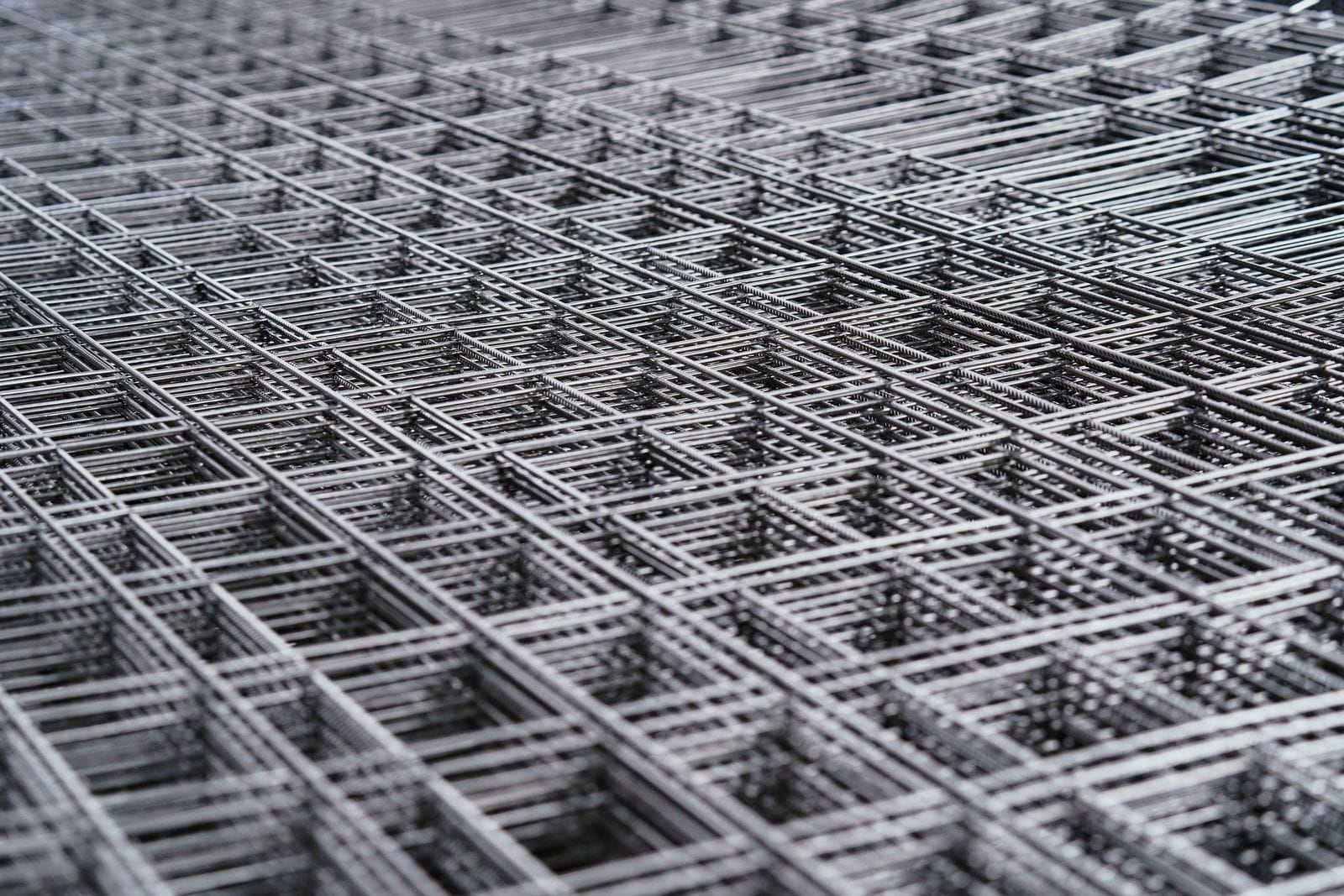
    As a comprehensive rebar supplier Philippines importers can rely on, we supply the whole reinforcement scope rather than a single line item. Our products include hot-rolled reinforcing steel (Bewehrungsstahl) in grade B500B, welded reinforcing mesh (Baustahlmatten) for slabs, walls, and pavements, prefabricated rebar cages for piles and columns, stirrups, and precision cut & bent (Biegen & Schneiden) reinforcement produced to your bar bending schedules. With diameters typically from 6 mm to 40 mm, we cover the vast majority of Philippine structural detailing, letting importers consolidate their reinforcement package with one accountable source.

    Standards and Norms: EN 10080, B500B and PNS 49

    A serious rebar supplier Philippines engineers can specify has to reconcile European and national standards openly. Our reinforcing steel is manufactured to EN 10080, the European standard for weldable reinforcing steel, in grade B500B — 500 MPa characteristic yield strength in the high-ductility class. Philippine construction references PNS 49, the national standard for steel bars for concrete reinforcement, which defines grades typically expressed as Grade 40 and Grade 60 (with Grade 60 corresponding to a 415 MPa minimum yield). The 500 MPa yield of B500B under EN 10080 exceeds the Grade 60 requirement of PNS 49, and our engineers provide the mechanical data so your designer can verify the material meets or is adapted to the applicable PNS 49 clause. Every shipment carries EN 10204 3.1 mill certificates stating composition, yield and tensile strength, and elongation.

    Delivery and Export: Sea Freight to Philippine Ports

    Reliable ocean logistics are essential for an island market. We arrange sea freight from German and Northern European ports to the main Philippine gateways, including the Port of Manila and Batangas, with onward coordination for regional ports such as Cebu and Davao as needed. Reinforcing steel is bundled, strapped, tagged, and prepared for container or breakbulk shipment according to bar length and order size. We supply the complete export documentation set — commercial invoice, packing list, bill of lading, certificate of origin, and mill certificates — so clearance through the Bureau of Customs and any pre-shipment inspection proceeds without delay. Terms can be quoted FOB, CFR, or CIF.

    Why Choose a German Rebar Supplier

    German mills are recognised for tight dimensional tolerances, controlled chemistry, and rigorous factory production control. For Philippine projects that must resist seismic and typhoon loading, consistent ductility and reliable bar geometry directly support structural resilience and code compliance. Full heat-number traceability on every bundle simplifies quality audits and meets the documentation expectations of consultants, lenders, and insurers on major developments. Judged on delivered value and dependability rather than headline price alone, German-sourced reinforcement is a compelling choice for specification-driven construction.

    How to Order

    Requesting a quote is easy. Send your bar list or bar bending schedule stating grades, diameters, lengths, and quantities, along with your destination port and preferred Incoterms. We reply with a formal quotation, lead time, and the documentation package. Cut & bent orders are produced directly from your schedules to reduce site labour and offcut waste. To see how our grades relate to European reinforcement requirements before ordering, read our guide to reinforcing steel per DIN 488 norms.

    Frequently Asked Questions

    Does your rebar comply with Philippine standard PNS 49?

    Our steel is produced to EN 10080 in grade B500B. Its 500 MPa yield exceeds the Grade 60 (415 MPa) requirement of PNS 49, and we provide full mill certificates so your engineer can confirm the material satisfies the applicable PNS 49 clauses for your project.

    Which Philippine ports do you deliver to?

    We ship by sea freight to the main gateways, including the Port of Manila and Batangas, with onward coordination to regional ports such as Cebu and Davao where needed. Terms can be FOB, CFR, or CIF.

    Is the steel suitable for seismic and typhoon-resistant design?

    Yes. B500B is a high-ductility class reinforcing steel, well suited to the seismic detailing and heavy loading common in Philippine structural design. Mechanical properties are documented on each mill certificate.

    Can you supply cut and bent reinforcement and mesh?

    Yes. In addition to straight bar we supply welded reinforcing mesh, stirrups, prefabricated rebar cages, and cut & bent reinforcement produced directly to your drawings and schedules.

    Conclusion

    The ideal rebar supplier Philippines projects require is one that unites consistent quality, seismic-grade ductility, and fully traceable documentation with dependable ocean logistics. As a German manufacturer exporting EN 10080 B500B reinforcing steel — clearly mapped against PNS 49 — Bewehrungsstahl Deutschland gives Philippine importers a single, accountable source. Send your bar list to receive a quotation and plan your first shipment.

    Weiterfuehrende Quellen: Betonstahl (Wikipedia), Bewehrung im Stahlbetonbau. rebar supplier in the philippines erhalten Sie bei der Bewehrungsstahl Deutschland GmbH normgerecht nach DIN 488.
  • Rebar Supplier in Indonesia – Export from Germany

    Rebar Supplier in Indonesia – Export from Germany

    rebar supplier in indonesia – Bewehrungsstahl Deutschland

    Sourcing a consistent rebar supplier Indonesia contractors can build on is critical in an archipelago where infrastructure, high-rise, and industrial construction span thousands of islands and countless project sites. Bewehrungsstahl Deutschland is a German manufacturer and exporter of reinforcing steel supplying Indonesian importers, precasters, and EPC contractors with mill-certified material produced to European standards. From toll-road and port infrastructure to commercial towers in Jakarta and Surabaya, German reinforcing steel delivers the mechanical consistency, seismic-grade ductility, and traceable documentation that structural engineers in Indonesia’s seismically active zones increasingly demand.

    Full Product Range for Indonesian Projects

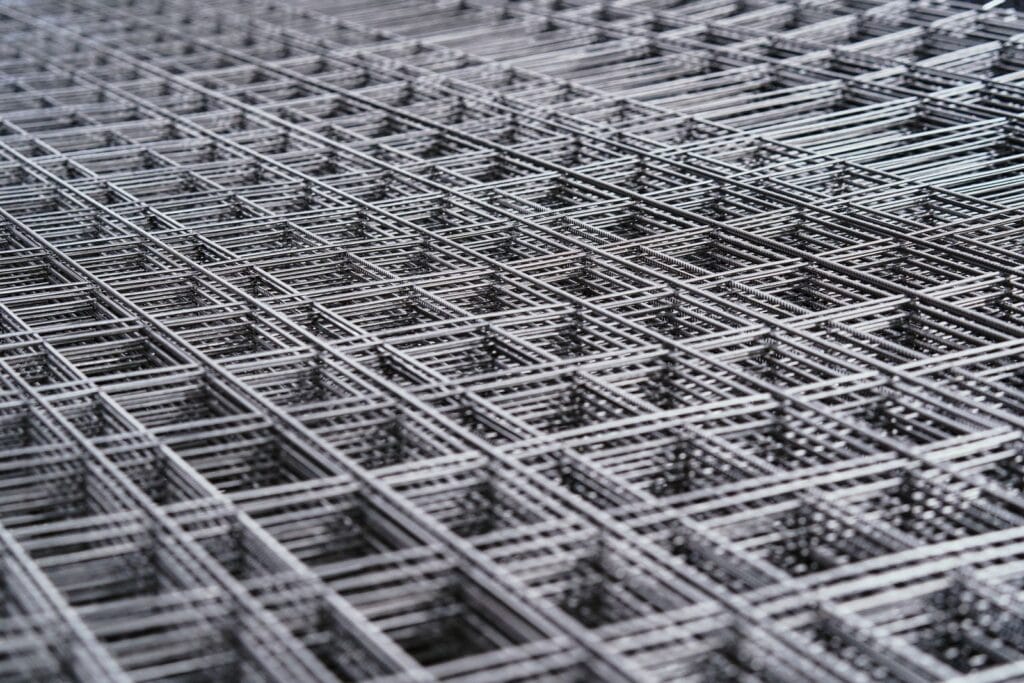
    As a single-source rebar supplier Indonesia buyers can consolidate their reinforcement package with, we go far beyond straight bar. Our range covers hot-rolled reinforcing steel (Bewehrungsstahl) in grade B500B, weldable welded reinforcing mesh (Baustahlmatten) for slabs, walls and pavements, prefabricated rebar cages for bored piles and columns, stirrups, and precision cut & bent (Biegen & Schneiden) reinforcement made to your bar bending schedules. Diameters from 6 mm to 40 mm cover the vast majority of Indonesian structural detailing, so importers can order a complete reinforcement scope from one accountable supplier.

    Standards and Norms: EN 10080, B500B and SNI 2052

    A credible rebar supplier Indonesia engineers can specify has to bridge European and national standards transparently. Our reinforcing steel is produced to EN 10080 in grade B500B — 500 MPa characteristic yield strength in the high-ductility class, well suited to seismic design. Indonesian projects reference SNI 2052, the national standard for concrete reinforcing steel bars, which defines grades including BjTS 420B for ribbed deformed bar. The 500 MPa yield of B500B under EN 10080 exceeds the 420 MPa nominal yield of BjTS 420B, and our engineers provide the mechanical data so your designer can confirm the grade satisfies or is adjusted to the relevant SNI 2052 requirement. Each delivery carries EN 10204 3.1 mill certificates documenting composition, yield and tensile strength, and elongation.

    Delivery and Export: Sea Freight Across the Archipelago

    Serving an island nation demands robust ocean logistics. We arrange sea freight from German and Northern European ports to Indonesia’s principal gateways, including Tanjung Priok (Jakarta) and Tanjung Perak (Surabaya), with onward coordination for regional ports as required. Reinforcing steel is bundled, strapped, tagged and prepared for container or breakbulk carriage according to bar length and order size. We provide the full export documentation package — commercial invoice, packing list, bill of lading, certificate of origin and mill certificates — so clearance through Indonesian customs and any pre-shipment inspection proceeds smoothly. Terms can be quoted FOB, CFR or CIF.

    Why Choose a German Rebar Supplier

    German mills are known for tight rolling tolerances, tightly controlled chemistry, and disciplined factory production control. In Indonesia’s earthquake-prone regions, dependable ductility and consistent bar geometry directly support structural safety and code compliance. Full heat-number traceability on every bundle simplifies quality audits and satisfies the documentation expectations of lenders, insurers, and consultants on major projects. Assessed on delivered value and reliability rather than headline price alone, German-sourced reinforcement is a strong choice for specification-led construction.

    How to Order

    Getting a quote is simple. Provide your bar list or bar bending schedule stating grades, diameters, lengths and quantities, plus your destination port and preferred Incoterms. We return a formal quotation with lead time and the documentation set. Cut & bent orders are produced directly from your schedules to cut site labour and offcut waste. For background on how our grades relate to European reinforcement requirements, read our guide to reinforcing steel per DIN 488 norms.

    Frequently Asked Questions

    Does your rebar meet Indonesian standard SNI 2052?

    Our steel is produced to EN 10080 in grade B500B. Its 500 MPa yield exceeds the 420 MPa nominal yield of BjTS 420B in SNI 2052, and we supply full mill certificates so your engineer can confirm the material satisfies the applicable SNI 2052 clauses for your design.

    Which Indonesian ports do you deliver to?

    We ship by sea freight to the main gateways such as Tanjung Priok (Jakarta) and Tanjung Perak (Surabaya), with onward coordination to regional ports where needed. Terms can be FOB, CFR or CIF.

    Is the steel suitable for seismic design?

    Yes. B500B is a high-ductility class reinforcing steel, well suited to the seismic detailing common in Indonesian structural design. Mechanical properties are documented on each mill certificate.

    Can you supply prefabricated rebar cages and mesh?

    Yes. Alongside straight bar we supply welded reinforcing mesh, stirrups, and prefabricated rebar cages for bored piles and columns, produced to your drawings and schedules.

    Conclusion

    The right rebar supplier Indonesia projects need is one that combines consistent quality, seismic-grade ductility, and fully traceable documentation with dependable ocean logistics. As a German manufacturer exporting EN 10080 B500B reinforcing steel — clearly mapped against SNI 2052 — Bewehrungsstahl Deutschland gives Indonesian importers a single, accountable source. Send your bar list to receive a quotation and plan your first shipment.

    Weiterfuehrende Quellen: Betonstahl (Wikipedia), Bewehrung im Stahlbetonbau. rebar supplier in indonesia erhalten Sie bei der Bewehrungsstahl Deutschland GmbH normgerecht nach DIN 488.
  • Rebar Supplier in Vietnam – Export from Germany

    Rebar Supplier in Vietnam – Export from Germany

    rebar supplier in vietnam – Bewehrungsstahl Deutschland

    Finding a dependable rebar supplier Vietnam construction firms can rely on for consistent quality is a challenge many project owners face as demand for high-grade reinforcing steel accelerates across the country. Bewehrungsstahl Deutschland is a German manufacturer and exporter of reinforcing steel that ships directly to Vietnamese ports, combining strict European mill standards with export logistics tailored to the Southeast Asian market. Whether you are building high-rise developments in Ho Chi Minh City, infrastructure in Hanoi, or industrial facilities in the northern economic zones, German-sourced rebar gives you the metallurgical consistency and documentation that demanding structural projects require.

    Product Range for the Vietnamese Market

    As a full-line rebar supplier Vietnam importers can source everything from, we cover the complete reinforcement package rather than a single item. Our core products include hot-rolled reinforcing steel (Bewehrungsstahl) in grade B500B, produced with reliable weldability and ductility for seismic and heavy-load applications. Alongside straight bar we supply welded reinforcing mesh (Baustahlmatten) for slabs and walls, prefabricated rebar cages for piles and columns, stirrups, and fully cut & bent (Biegen & Schneiden) reinforcement produced to your bar bending schedules. Diameters typically range from 6 mm to 40 mm, allowing us to match the majority of Vietnamese structural specifications from one source.

    Standards and Norms: EN 10080, B500B and TCVN 1651

    A trustworthy rebar supplier Vietnam engineers can specify with confidence must speak the language of both European and local standards. Our reinforcing steel is manufactured to EN 10080, the European standard governing weldable reinforcing steel, in the widely used grade B500B (500 MPa characteristic yield strength, high-ductility class). Vietnamese structural design commonly references TCVN 1651, which defines grades such as CB400-V and CB500-V for hot-rolled ribbed bars. B500B under EN 10080 aligns closely in yield strength with the CB500-V class of TCVN 1651, and our technical team documents the mechanical properties clearly so your design engineer can verify equivalence against the applicable TCVN requirements. Every consignment ships with mill test certificates (EN 10204 3.1) stating chemical composition, yield and tensile strength, and elongation.

    Delivery and Export: Sea Freight to Vietnamese Ports

    Reliable logistics separate a genuine export partner from a trading intermediary. We arrange sea freight from German and Northern European ports to the main Vietnamese gateways, including Cat Lai and the Cai Mep deep-water terminals serving the south, and Hai Phong serving the north. Reinforcing steel is bundled, securely strapped, tagged and prepared for container or breakbulk shipment depending on order volume and bar length. We supply the complete export documentation set — commercial invoice, packing list, bill of lading, certificate of origin and mill certificates — so your customs clearance and quality inspection proceed without delay. Delivery terms can be quoted FOB, CFR or CIF to suit your import arrangements.

    Why Choose a German Rebar Supplier

    German reinforcing steel is recognised worldwide for tight dimensional tolerances, consistent chemistry and rigorous factory production control. For Vietnamese projects where structural safety, seismic performance and long service life matter, that consistency reduces risk on site and simplifies acceptance testing. Buyers also value transparent, traceable documentation — each bundle is traceable back to its heat number — which supports quality audits and financing or insurance requirements on larger developments. When you compare total delivered value rather than headline price alone, a German supplier often proves competitive for specification-driven work.

    How to Order

    Ordering is straightforward. Send us your bar list or bar bending schedule with grades, diameters, lengths and quantities, together with your destination port and preferred delivery terms. We respond with a formal quotation, lead time and documentation package. For cut & bent orders we work directly from your schedules to minimise site cutting and waste. To understand how our grades map to European requirements before you order, see our explainer on reinforcing steel per DIN 488 norms.

    Frequently Asked Questions

    Does your rebar comply with Vietnamese standard TCVN 1651?

    Our steel is produced to EN 10080 in grade B500B. The mechanical properties of B500B align closely with the CB500-V class defined in TCVN 1651, and we provide full mill certificates so your design engineer can confirm equivalence against the specific TCVN clauses that apply to your project.

    Which Vietnamese ports can you deliver to?

    We ship by sea freight to the main gateways, including Cat Lai and Cai Mep in the south and Hai Phong in the north. Delivery can be arranged FOB, CFR or CIF depending on your import preferences.

    What is the minimum order quantity?

    Order quantities are typically quoted at container or breakbulk volumes suited to export shipping. Send your bar list and destination port and we will confirm feasible quantities and lead time for your specific requirement.

    Can you produce cut and bent reinforcement to our schedules?

    Yes. We manufacture cut & bent bar, stirrups and rebar cages directly from your bar bending schedules, which reduces on-site cutting, labour and waste.

    Conclusion

    Choosing the right rebar supplier Vietnam projects depend on comes down to consistent quality, verifiable documentation and dependable delivery. As a German manufacturer exporting EN 10080 B500B reinforcing steel — with clear mapping to TCVN 1651 — Bewehrungsstahl Deutschland offers Vietnamese buyers a specification-driven, fully documented reinforcement supply from a single source. Send us your bar list to receive a quotation and start your first shipment.

    Weiterfuehrende Quellen: Betonstahl (Wikipedia), Bewehrung im Stahlbetonbau. rebar supplier in vietnam erhalten Sie bei der Bewehrungsstahl Deutschland GmbH normgerecht nach DIN 488.
  • Rebar Supplier in Thailand – Export from Germany

    Rebar Supplier in Thailand – Export from Germany

    rebar supplier in thailand – Bewehrungsstahl Deutschland

    Choosing the right rebar supplier Thailand contractors and importers can rely on for European-certified reinforcing steel matters most on projects where documentation, weldability and dimensional consistency are non-negotiable. As a German supplier of reinforcing steel exporting worldwide, we ship B500B rebar, welded mesh, cages, stirrups and cut & bend products to Thai buyers through ports such as Laem Chabang and Bangkok (Klong Toey), serving general contractors, precast plants and steel trading companies.

    Thailand’s construction sector — from Bangkok high-rise and rail projects to the Eastern Economic Corridor (EEC) industrial build-out — creates steady demand for reinforcing steel. Many Thai buyers pair local mill supply with imported German rebar where a client specification, an international lender, or a demanding QA regime calls for EN-referenced material. This page explains what we supply, the standards involved, and how export to Thailand works.

    Product range for Thai projects

    Our full reinforcing steel range ships to Thailand in containers or as break-bulk:

    • Ribbed rebar B500B to EN 10080, diameters 6–40 mm, stock lengths or cut to schedule.
    • Welded reinforcing mesh in standard and custom panels — our Baustahlmatten range.
    • Rebar cages for bored piles, columns and marine foundations.
    • Stirrups and links pre-bent to your beam and column details.
    • Cut & bend bar delivered project-ready — see cutting and bending.

    Standards: EN 10080 and the Thai reference TIS 24

    A trustworthy rebar supplier Thailand firms import from should be explicit about certification. Our steel is grade B500B certified to EN 10080, the European standard for weldable reinforcing steel that sets out mechanical properties, ductility class and bar identification.

    The Thai national reference is TIS 24 (the Thai Industrial Standard for deformed steel bars for reinforced concrete), which defines grades such as SD40 and SD50 by their characteristic yield strength in kilograms-force per square millimetre. SD40 and SD50 correspond broadly to yield levels in the 400 and 500 MPa families, so B500B sits in the same practical strength band as SD50 for many uses. However, TIS 24 and EN 10080 are separate standards with distinct testing and marking rules, so equivalence must be assessed by your engineer. We provide the EN 10080 mill test certificates and mechanical data to support that review and never label EN-certified steel as TIS-certified.

    Delivery and export by sea freight to Thailand

    Reinforcing steel to Thailand ships by sea from German and North-Continent ports, routing via the Suez Canal and the Strait of Malacca to Laem Chabang, the country’s main deep-sea gateway, or to Bangkok Port for lighter parcels. We load 20-ft containers to weight or arrange break-bulk for larger tonnages, quoting FOB, CFR or CIF as you prefer.

    Each shipment travels with a complete documentation set — commercial invoice, packing list, bill of lading, certificate of origin and EN 10080 mill certificates — so your Thai customs broker can clear cargo under the relevant HS codes for iron and steel bars.

    Why choose a German rebar supplier

    German reinforcing steel offers tight tolerances, consistent metallurgy and rigorous factory production control. For Thai buyers this means reliable weldability of B500B, traceable heat numbers on every certificate, and paperwork that satisfies international project QA and financing requirements. Where a specification references European norms, sourcing directly from Germany removes interpretation risk.

    How to order

    Send your bar-bending schedule or bill of quantities with diameters, grades, lengths and total tonnage, plus destination port and Incoterm. We reply with an export quotation, lead time and documentation checklist, and can arrange framework pricing for repeat trading-house orders.

    Frequently asked questions

    Is German B500B equivalent to Thai SD50 under TIS 24?

    B500B (EN 10080) and SD50 (TIS 24) sit in a similar high-strength band, but they are certified to different standards with different tests. Your engineer should confirm equivalence using our EN 10080 mill certificates, which we supply in full.

    Which Thai ports do you ship to?

    We commonly ship to Laem Chabang and Bangkok Port (Klong Toey), and can quote other Thai ports on request.

    Do you offer cut and bend before shipping?

    Yes. Our cut & bend service delivers project-ready bar and stirrups to your schedule, cutting site labour and waste in Thailand.

    What certificates come with the steel?

    Every consignment includes EN 10080 mill test certificates plus commercial invoice, packing list, certificate of origin and bill of lading.

    Conclusion

    For Thai contractors, precast plants and traders needing European-certified reinforcing steel with full traceability, we are a rebar supplier Thailand teams can depend on — B500B rebar, mesh, cages, stirrups and cut & bend shipped with complete EN 10080 documentation to Laem Chabang and Bangkok. For background on the norms, read our explainer on reinforcing steel to DIN 488 standards, then send your schedule for a quotation.

    Weiterfuehrende Quellen: Betonstahl (Wikipedia), Bewehrung im Stahlbetonbau. rebar supplier in thailand erhalten Sie bei der Bewehrungsstahl Deutschland GmbH normgerecht nach DIN 488.
  • Rebar Supplier in India – Export from Germany

    Rebar Supplier in India – Export from Germany

    rebar supplier in india – Bewehrungsstahl Deutschland

    Finding a dependable rebar supplier India construction firms can rely on for imported German reinforcing steel is a strategic decision for large-scale and specification-critical projects. As a German supplier of reinforcing steel exporting worldwide, we serve Indian contractors, precast producers, infrastructure developers and trading houses who require consistent European mill quality, complete documentation and reliable sea-freight logistics into ports such as Nhava Sheva (JNPT), Mundra, Chennai and Kolkata.

    India has one of the fastest-growing construction markets on the planet, and while domestic mills produce enormous volumes, many buyers still source German rebar for projects that demand tight tolerances, traceable heat certificates, or grades and geometries aligned with EN 10080. Below we set out our product range, the standards we work to, and how export to India works in practice.

    Product range for the Indian market

    We supply the full reinforcing steel product family, ready for containerised or break-bulk export to India:

    • Ribbed rebar B500B to EN 10080 in diameters from 6 mm to 40 mm, in stock lengths or cut to your bar-bending schedule.
    • Reinforcing mesh (welded fabric) in standard and bespoke sheet sizes — see our Baustahlmatten range.
    • Prefabricated rebar cages for piles, columns and bored-pile foundations.
    • Stirrups and links bent to shape for beams and columns.
    • Cut & bend services delivering project-ready bar to schedule — see cutting and bending.

    Standards: EN 10080 and the Indian reference IS 1786

    Any serious rebar supplier India importers work with must be transparent about which standard the material is certified to. Our reinforcing steel is produced and certified as grade B500B to the European standard EN 10080, which governs weldable reinforcing steel and defines the mechanical properties, ductility class and identification requirements.

    The corresponding Indian reference standard is IS 1786, which specifies high-strength deformed steel bars in grades such as Fe500 and Fe500D. Fe500D is broadly comparable in intent to European ductility-class B in that it targets improved elongation and a controlled ratio of tensile to yield strength for seismic performance. These are different national standards with different testing regimes, so we always provide the EN 10080 mill certificates and mechanical test data so your consulting engineer can verify equivalence against IS 1786 for the specific application. We state grades factually and do not misrepresent EN-certified steel as IS-certified.

    Delivery and export by sea freight to India

    Reinforcing steel destined for India moves primarily by sea freight from German and North-Continent ports. We arrange containerised shipments (typically 20-ft units loaded to weight) or break-bulk for larger tonnages, coordinating with freight forwarders on FOB, CFR or CIF terms per your preference. Transit to the west coast of India commonly routes via the Suez Canal to Nhava Sheva or Mundra; east-coast cargo serves Chennai, Visakhapatnam and Kolkata.

    We prepare the complete export documentation package — commercial invoice, packing list, bill of lading, certificate of origin and EN 10080 mill test certificates — so your customs broker can clear cargo efficiently under the applicable HS codes for iron and steel bars.

    Why choose a German rebar supplier

    German reinforcing steel is valued for tight dimensional tolerances, consistent metallurgy, and rigorous factory production control. For Indian buyers, the advantages are: traceable heat numbers on every certificate, reliable weldability of B500B, and a documentation trail that satisfies demanding project QA regimes and international lenders. For projects specified partly to European norms — or where an Indian client wants EN-referenced material — sourcing directly from Germany removes ambiguity.

    How to order

    Send us your bar-bending schedule or a bill of quantities listing diameters, grades, lengths and total tonnage, plus your destination port and preferred Incoterm. We respond with an export quotation, lead time and a documentation checklist. For repeat buyers and trading houses we can structure framework pricing across multiple shipments.

    Frequently asked questions

    Is your German B500B rebar equivalent to Indian Fe500D under IS 1786?

    B500B to EN 10080 and Fe500D to IS 1786 are certified to different national standards. They share the aim of high yield strength with good ductility, but equivalence must be confirmed by your engineer using our EN 10080 mill certificates. We supply full test data to support that assessment.

    Which Indian ports do you ship to?

    We regularly arrange sea-freight shipments to Nhava Sheva (JNPT), Mundra, Chennai, Visakhapatnam and Kolkata, and can quote other ports on request.

    Can you cut and bend rebar before export?

    Yes. Our cut & bend service produces project-ready bar and stirrups to your schedule, reducing on-site labour and offcut waste in India.

    What documentation do you provide?

    Every shipment includes EN 10080 mill test certificates, commercial invoice, packing list, certificate of origin and bill of lading for smooth customs clearance.

    Conclusion

    For Indian contractors and traders who need European-certified reinforcing steel with full traceability, we are a rebar supplier India projects can depend on. From B500B rebar and welded mesh to cages, stirrups and cut & bend, we ship EN 10080 material with complete documentation to major Indian ports. To learn more about the underlying norms, read our explainer on reinforcing steel to DIN 488 standards, then send us your schedule for an export quotation.

    Weiterfuehrende Quellen: Betonstahl (Wikipedia), Bewehrung im Stahlbetonbau. rebar supplier in india erhalten Sie bei der Bewehrungsstahl Deutschland GmbH normgerecht nach DIN 488.

  • Rebar Supplier in Saudi Arabia – Export from Germany

    Rebar Supplier in Saudi Arabia – Export from Germany

    rebar supplier in saudi arabia – Bewehrungsstahl Deutschland

    Identifying a dependable rebar supplier Saudi Arabia contractors can rely on is central to the Kingdom’s extraordinary construction agenda — from giga-projects and new cities to industrial, transport, and housing programmes at unprecedented scale. As a German manufacturer and exporter of reinforcing steel, Bewehrungsstahl Deutschland supplies certified rebar and reinforcement products to Saudi buyers, combining EN 10080 conformity with documentation that maps to the local SASO / ASTM A615 (Grade 60) reference framework.

    Saudi Arabia’s Vision 2030 programme has created demand for reinforcing steel on a historic scale, and with that demand comes a strong emphasis on certified, standards-compliant material. German reinforcing steel answers that need with consistent metallurgy, durability suited to harsh climatic exposure, and the traceable certification Saudi authorities expect.

    Product Range for Saudi Arabia Rebar Buyers

    Our export program covers the full reinforcement family used across Saudi construction:

    • Rebar B500B — hot-rolled ribbed reinforcing bar, 8 mm to 40 mm, in straight lengths or coil for structures of every scale.
    • Reinforcing mesh (welded fabric) — welded panels for slabs, screeds, and walls, produced to defined wire and pitch dimensions.
    • Rebar cages — prefabricated cages for piles and columns in deep-foundation and infrastructure work, delivered ready to place.
    • Stirrups and links — shear and confinement reinforcement bent to your bar-bending schedule.
    • Cut & bend — bars processed to exact length and shape for site-ready delivery and minimal waste.

    Explore our full reinforcing steel range and welded reinforcing mesh program for your specification.

    Standards and Norms: EN 10080, SASO and ASTM A615

    Material we ship to a rebar supplier Saudi Arabia network is manufactured to EN 10080 grade B500B, the European weldable ribbed reinforcing steel standard with a 500 MPa characteristic yield strength. Saudi projects work within the SASO (Saudi Standards, Metrology and Quality Organization) framework, which for reinforcing steel commonly aligns with ASTM A615 Grade 60 — a minimum yield of 420 MPa (60,000 psi). Our B500B comfortably exceeds the Grade 60 yield threshold, and our 3.1 mill certificates document full chemistry and mechanical properties so your engineer and the relevant authority can confirm compliance against the SASO / ASTM requirements on the project.

    Delivery and Export: Sea Freight to Saudi Arabia

    Saudi Arabia’s major gateways — Jeddah Islamic Port on the Red Sea and Dammam / King Abdulaziz Port on the Gulf — anchor our export routing to the Kingdom. Reinforcing steel is bundled, tagged, and loaded for containerised or breakbulk sea freight from German and North-European ports directly to Saudi terminals. We prepare export documentation, packing lists, and mill certificates so customs clearance runs smoothly. From a single container of processed rebar to sustained volumes for a giga-project, deliveries are scheduled to align with your pour programme.

    Why Choose a German Rebar Supplier

    For a rebar supplier Saudi Arabia buyers can standardise on, German reinforcing steel offers tight dimensional tolerances, reliable weldability, and durability relevant to hot, saline exposure conditions. Full mill-to-site traceability and clear English documentation make German material a natural fit for the international engineering teams and rigorous SASO-aligned QA regimes driving the Kingdom’s largest developments.

    How to Order Rebar for Your Saudi Arabia Project

    To order, send your bar-bending schedule, mesh specification, or tonnage requirement with the applicable grade (B500B or Grade 60) and any project test requirements. We return a quotation covering product, cut & bend processing, certification, and delivered-to-port pricing, then schedule production and export shipping to your timeline.

    Frequently Asked Questions

    Does your rebar meet SASO / ASTM A615 Grade 60 requirements?

    Yes. Our EN 10080 B500B exceeds the 420 MPa minimum yield of ASTM A615 Grade 60, the grade commonly referenced within the SASO framework. Full 3.1 certificates support compliance verification.

    Can you cut and bend rebar to our schedule?

    Yes. Send your bar-bending schedule and we supply bars, stirrups, and cages cut and formed for direct fixing on site.

    How is the steel shipped to Saudi Arabia?

    By containerised or breakbulk sea freight from European ports to Jeddah, Dammam, and other Saudi terminals, with full export documentation included.

    What sizes and volumes can you supply?

    Rebar from 8 mm to 40 mm plus welded mesh in standard and custom formats, from single containers to giga-project volumes.

    Conclusion

    For contractors and traders seeking a reliable rebar supplier Saudi Arabia projects can build on, German-manufactured reinforcing steel delivers certified quality, SASO / ASTM standard mapping, and export dependability at the scale Vision 2030 demands. To understand how European grades relate to your local specification, read our guide to reinforcing steel to DIN 488 standards, then contact us with your requirement for a delivered-to-Saudi-Arabia quotation.

    Weiterfuehrende Quellen: Betonstahl (Wikipedia), Bewehrung im Stahlbetonbau. rebar supplier in saudi arabia erhalten Sie bei der Bewehrungsstahl Deutschland GmbH normgerecht nach DIN 488.

  • Rebar Supplier in Malaysia – Export from Germany

    Rebar Supplier in Malaysia – Export from Germany

    rebar supplier in malaysia – Bewehrungsstahl Deutschland

    Sourcing from a reliable rebar supplier Malaysia developers and contractors can specify with confidence supports a construction market that spans high-rise developments in Kuala Lumpur, industrial and port projects, and infrastructure across Peninsular and East Malaysia. Each requires reinforcing steel that is certified, dimensionally consistent and delivered dependably into Malaysian ports. As a German exporter of reinforcing steel, we supply importers, contractors and trading houses across Malaysia with mill-certified rebar produced to European standards and shipped by sea into Southeast Asia.

    This page explains our product range, the applicable standards, how export and sea freight to Malaysia work, why a German source is an advantage, and how to order.

    Product range for Malaysia

    Our programme covers the full spectrum of reinforcing steel for concrete construction in Malaysia:

    • Rebar (B500B) — ribbed reinforcing bar in standard diameters, straight lengths or coil, for foundations, columns, slabs, high-rise and civil works. Explore our reinforcing steel range.
    • Reinforcing mesh — welded steel mesh for slabs, walls and screeds in standard and custom panels.
    • Rebar cages — pile and column cages prefabricated to your drawings, well suited to Malaysia’s frequent bored-pile foundations.
    • Stirrups and links — bent to schedule for beams and columns.
    • Cut & bend — bar cut and shaped ready to fix; see our cut and bend service.

    Standards a rebar supplier Malaysia can specify

    Our reinforcing steel is produced to EN 10080 in grade B500B — weldable ribbed bar with a 500 MPa characteristic yield strength. Malaysian projects typically reference the national standard MS 146 together with BS 4449, both of which define high-yield ribbed reinforcing steel in the 500 MPa class. B500B aligns directly with this class, so our steel maps cleanly onto MS 146 and BS 4449 requirements, giving Malaysian engineers a familiar and internationally recognised basis. Every consignment ships with EN 10204 3.1 mill test certificates documenting chemical composition and mechanical properties. For the German standard that underpins these characteristics, see our guide to reinforcing steel to DIN 488.

    Delivery and export to Malaysia by sea freight

    We manage the whole export process. Steel is consolidated in Germany and shipped through North Sea ports to Malaysian ports such as Port Klang, Penang and Johor. We prepare the complete documentation package — commercial invoice, packing list, certificate of origin, bill of lading and mill certificates — and quote on FOB, CFR or CIF terms as agreed. Malaysia’s well-connected container and bulk ports make sea freight from Europe straightforward, and we work with forwarders experienced in Southeast-Asian steel routes to keep transit reliable.

    Why a German supplier for Malaysia

    German reinforcing steel is recognised worldwide for tight tolerances, consistent mechanical properties and full traceability. For a rebar supplier Malaysia buyers can trust, that means bar and mesh that bend, weld and fix predictably, and documentation that satisfies consultants and authorities. In Malaysia’s tropical, high-humidity environment, well-controlled, correctly certified steel supports durable, code-compliant construction and reduces the risk of rework.

    How to order

    Send us your tonnage, bar bending schedule or mesh specification, the applicable standard (EN 10080 / MS 146 / BS 4449) and your delivery port. We respond with a detailed quotation covering price, lead time and Incoterms, then produce, certify and ship on confirmation while keeping you updated.

    Frequently asked questions

    What rebar grade do you export to Malaysia?

    Standard supply is B500B to EN 10080, which aligns with the 500 MPa class of MS 146 and BS 4449. We supply against those requirements with matching certification.

    Which Malaysian ports do you ship to?

    We export by sea freight into Malaysian ports including Port Klang, Penang and Johor, on FOB, CFR or CIF terms.

    Do you provide mill test certificates?

    Yes. Every shipment includes EN 10204 3.1 mill test certificates plus the full export document set.

    Can you supply cut & bend bar and pile cages?

    Yes. We supply cut & bent bar, stirrups and prefabricated pile and column cages to your bending schedule, ready to fix on site.

    Conclusion

    For a rebar supplier Malaysia importers and contractors can rely on, German reinforcing steel combines certified quality, alignment with MS 146 and BS 4449, and dependable sea-freight export into Southeast Asia. Send your specification and we will prepare a competitive, fully documented offer for delivery into Malaysia.

    Weiterfuehrende Quellen: Betonstahl (Wikipedia), Bewehrung im Stahlbetonbau. rebar supplier in malaysia erhalten Sie bei der Bewehrungsstahl Deutschland GmbH normgerecht nach DIN 488.
  • Rebar Supplier in the UAE – Export from Germany

    Rebar Supplier in the UAE – Export from Germany

    rebar supplier in the uae – Bewehrungsstahl Deutschland

    Selecting a proven rebar supplier UAE contractors can rely on is fundamental to the Emirates‘ relentless pipeline of towers, infrastructure, and mega-developments across Dubai, Abu Dhabi, and beyond. As a German manufacturer and exporter of reinforcing steel, Bewehrungsstahl Deutschland supplies certified rebar and reinforcement products to UAE buyers, combining EN 10080 conformity with documentation that maps to the local BS 4449 / ASTM A615 (B500B / Grade 60) reference standards used across the region.

    The UAE market is unusually diverse in its specifications: British-standard practice inherited from decades of international consultancy sits alongside American ASTM grades on many projects. A German export supplier that can certify its material against both frameworks removes a significant procurement headache.

    Product Range for UAE Rebar Buyers

    Our export program covers the complete reinforcement family required across UAE construction:

    • Rebar B500B — hot-rolled ribbed reinforcing bar, 8 mm to 40 mm, in straight lengths or coil for towers, podiums, and foundations.
    • Reinforcing mesh (welded fabric) — welded panels for slabs, screeds, and walls, produced to defined wire and pitch dimensions.
    • Rebar cages — prefabricated cages for bored piles and columns in deep-foundation work, delivered ready to place.
    • Stirrups and links — shear and confinement reinforcement bent to your bar-bending schedule.
    • Cut & bend — bars processed to exact length and shape for site-ready delivery and minimal waste.

    Explore our full reinforcing steel range and welded reinforcing mesh program for your specification.

    Standards and Norms: EN 10080, BS 4449 and ASTM A615

    Material we ship to a rebar supplier UAE network is manufactured to EN 10080 grade B500B, the European weldable ribbed reinforcing steel standard with a 500 MPa characteristic yield strength. UAE specifications commonly call up BS 4449 grade B500B — which shares the same mechanical basis as EN 10080 — and, on American-standard projects, ASTM A615 Grade 60, which specifies a minimum yield of 420 MPa (60,000 psi). Our B500B comfortably exceeds the Grade 60 yield threshold, and our 3.1 mill certificates document the full chemistry and mechanical properties so your engineer can confirm compliance against whichever standard the project requires.

    Delivery and Export: Sea Freight to the UAE

    Jebel Ali, one of the largest container ports between Europe and Asia, anchors our export routing to the Emirates. Reinforcing steel is bundled, tagged, and loaded for containerised or breakbulk sea freight from German and North-European ports directly to UAE terminals. We prepare export documentation, packing lists, and mill certificates so customs clearance runs smoothly. From a single container of processed rebar to sustained volumes for a mega-project, deliveries are scheduled to align with your pour programme.

    Why Choose a German Rebar Supplier

    For a rebar supplier UAE buyers can standardise on, German reinforcing steel offers tight dimensional tolerances, reliable weldability, and dual-standard certification against both BS and ASTM frameworks. Combined with full mill-to-site traceability and clear English documentation, this makes German material a straightforward fit for the multinational engineering teams and stringent QA regimes that define UAE construction.

    How to Order Rebar for Your UAE Project

    To order, send your bar-bending schedule, mesh specification, or tonnage requirement with the applicable grade (B500B or Grade 60) and any project test requirements. We return a quotation covering product, cut & bend processing, certification, and delivered-to-port pricing, then schedule production and export shipping to your timeline.

    Frequently Asked Questions

    Can you certify rebar to both BS 4449 and ASTM A615 Grade 60?

    Yes. Our EN 10080 B500B aligns with BS 4449 B500B and exceeds the 420 MPa yield of ASTM A615 Grade 60. Full 3.1 certificates support compliance under whichever standard the project uses.

    Can you cut and bend rebar to our schedule?

    Yes. Send your bar-bending schedule and we supply bars, stirrups, and cages cut and formed for direct fixing on site.

    How is the steel shipped to the UAE?

    By containerised or breakbulk sea freight from European ports to Jebel Ali and other UAE terminals, with full export documentation included.

    What sizes and volumes can you supply?

    Rebar from 8 mm to 40 mm plus welded mesh in standard and custom formats, from single containers to mega-project volumes.

    Conclusion

    For contractors and traders seeking a reliable rebar supplier UAE projects can build on, German-manufactured reinforcing steel delivers certified quality, dual-standard mapping, and export dependability. To understand how European grades relate to your local specification, read our guide to reinforcing steel to DIN 488 standards, then contact us with your requirement for a delivered-to-UAE quotation.

    Weiterfuehrende Quellen: Betonstahl (Wikipedia), Bewehrung im Stahlbetonbau. rebar supplier in the uae erhalten Sie bei der Bewehrungsstahl Deutschland GmbH normgerecht nach DIN 488.
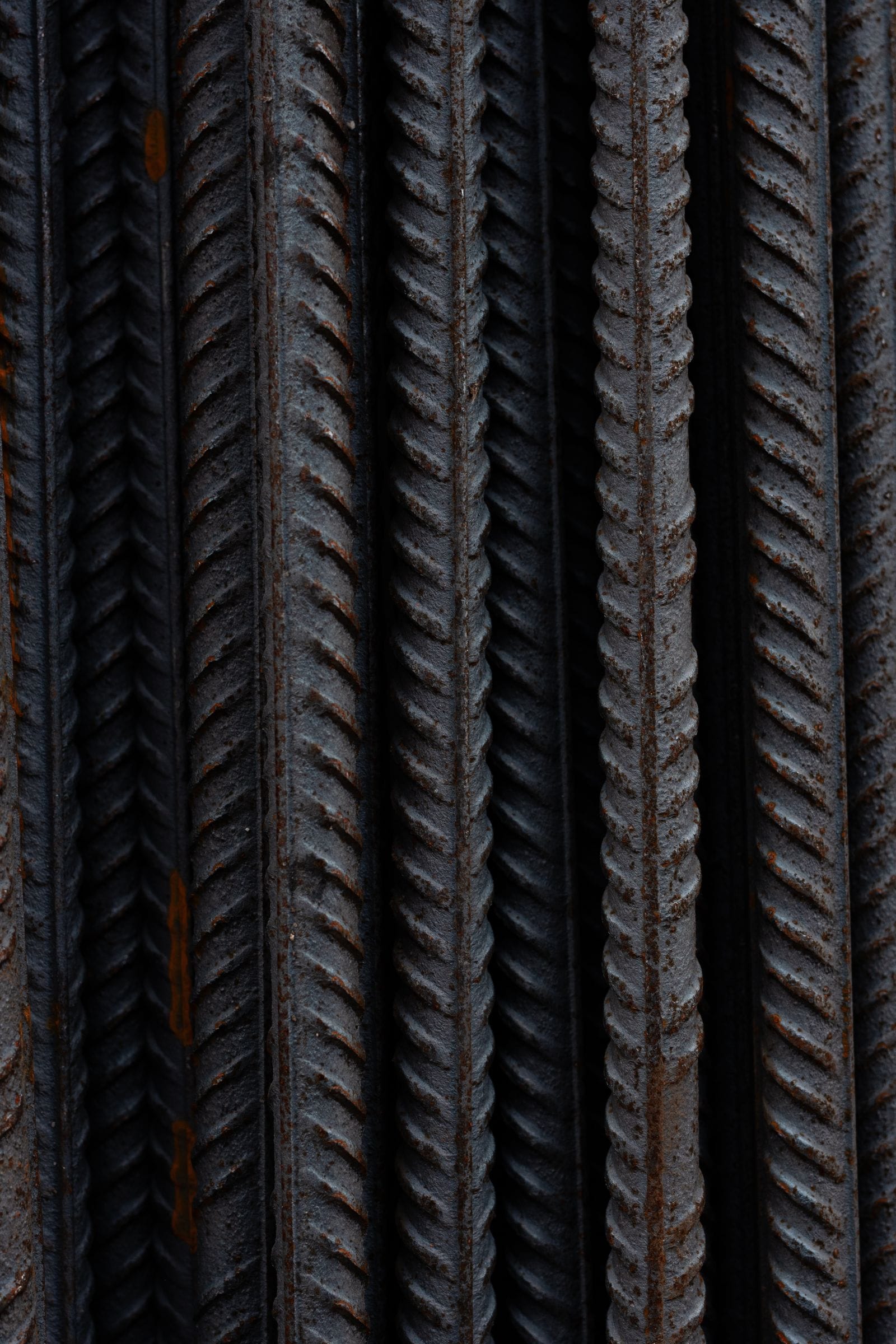
Bewehrungsstahl Deutschland GmbH Raiffeisenstraße 9–10, Tor 5–10 · 40764 Langenfeld · Deutschland Registergericht: Amtsgericht Düsseldorf · Registernummer: HRB 52903 USt-IdNr. gemäß § 27a UStG: DE 213125965 E-Mail: sales@bewehrungsstahl-deutschland.de Impressum · Datenschutz · Kontakt